Thursday, April 6, 2017

Top 25 Florida Beaches To Explore With Dog


It’s summer time and beaches are always welcoming, waiting for you to have fun with them. Playing with that waves, making sand castles with children, running about with your dog or having a great time surfing with your furry pal. This time let your pooch select the beach they love and before that give them the option to which beach they would love to go for a weekend or a holiday.

Beaches are great places for you and your pooch to relax and enjoy. The rippling waves, the foam and many other things. It is a great playtime for you and your pooch to enjoy on the beach. So, check here the most welcoming dog beaches to explore and have fun.
Bringing here is a list of top dog-friendly beaches for your furry pal to choose from
  1. Bonita dog Beach
  2. Davis Island Dog beach
  3. Key west dog beach
  4. Jupiter beach
  5. Miami’s Bark beach
  6. Rickenbacker causeway beach
  7. Sanibel island beach
  8. Fort de soto park, dog beach
  9. Brohard paw park
  10. Annie’s beach
  11. Picnic island beach
  12. Haulover beach park
  13. Dog beach at Pier park
  14. Gulfside beach aka Algiers beach
  15. Ocean Kay Park
  16. Smyrna Dunes Park
  17. Panama City Beach
  18. Key Biscayne Dog Beach
  19. Fort Clinch State Park
  20. Cape San Blas Barrier Dunes
  21. Pier Park Dog Beach
  22. Canova Beach Dog Park
  23. Cape San Blas
  24. St. George Island
  25. Bayview Dog Park and Beach

Tips to follow before taking your furry pal on a dog beach

  • Choose a dog-friendly beach
  • Find fresh water and shade
  • Teach your dog to swim
  • Take a float vest if needed
  • Steer clear the choppy water
  • Don’t leave your dog alone into the high waves
  • Watch what they drink
  • Apply sunscreen to your pooch
  • Take different sizes leashes
  • Provides sun protection
  • Rinse their fur
  • Pick the poop

Beach fun and frolicking with your furry pal is the most lovable thing that you can experience on this earth. But, along with enjoying always take care that you do not let your pet to go into extreme waters. You need to always lead with safety to protect your furry pal from any unwanted dangers of the beach. Hitting the beach check what you are missing to add your safety tips.

Tuesday, March 21, 2017

How To Know My Pet Is Depressed?


Dogs can get depressed, just like humans. They may get into depression because of the changes in their lives such as moving, or the addition of a new pet or new people to the household. It can also be a sign of a medical condition, to let them in distress. As we all know, that pets help us with our mental challenges. Perhaps, if our pets are having issues of their own, we can help them too. For this you need to learn, how to spot out the signs of depression and what can be done to relieve and cope up your pooch and make him/her feel better.

Your furry pal may show same signs, as it experienced by you when you are in depression. Even, they might have bad moods or have down days, just like people. If you find your pet not so active as usual and not interested in anything or appears to be mopping around the house or yard, it is possible that he is feeling depressed.

Other signs from, which you can make out your canine depression are:

How To Tell If Your Dog Is Depressed 


Your Pooch Gets Reserved:

If your dog is in depression, he may stop interacting with you or any other member in family and other pets in the home.

Your Furry Pal Gets Inactive:

He may not show any interest in playing, walking or in any other activities. You may also find him slow and not seem to have much purpose to his wandering.

Your Fido May Show Change In Appetite:

Some dog may eat less and lead to loose weight. Alternatively, a depressed dog may eat more and begin to gain weight.

Your Doggy May Show Change In Sleep Habits:

There are dogs who become restless and are unable to sleep, when they are depressed. Alternatively, other pups may tend to sleep more than before.

How To Cope Up Your Furry Companion From Depression?

The best way to cope up your pooch is to give them lots of love and attention. You can keep them active and entertained, by doing special activities that you know they enjoy. For example: if you know your dog loves to play hide and seek, start doing it more often, and praise him, if you find him having good time.

If your dog don't seem to come out from the depression, then the best option is to go to vet. The vet may examine him and try to find out the real reason of depression. Then, the vet will advice you the treatment to recover your pooch from depression.

Monday, March 6, 2017

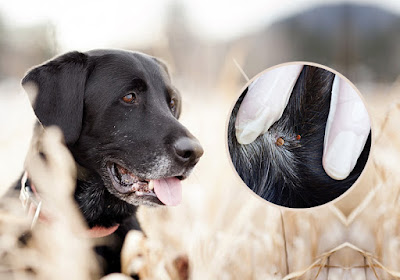
There Are Ticks On My Pooch - What Should I Do?

https://www.bestvetcare.com/dogs-flea-and-tick-treatment-1.aspx?utm_source=extblog&utm_medium=seo&utm_campaign=There-Are-Ticks-On-My-Pooch-What-Should-I-Do


Ticks are small blood sucking parasites, which can host both on pets and people. They are small creatures that can be related to spiders and easily found in grassy areas such as meadows and fields. Ticks vary in color, size and shape. they are generally oval, flat and small. They look for a host to feed from such as sheep, cat, dog or even you. Tick may pick up disease from on one host and pass it to another host, resulting in a serious risk of disease spread.

How To Check Your Dog For Ticks:

When you come from a walking in the park, check your doggy before you go inside, to lower the chance of a tick getting in your house.

Comb through your furry pals fur with your fingers. Press gently and feel for any bumps on the skin. Ticks can as small as a size of sesame seed or big as a coffee bean. Ensure that you check him properly like over his feet, inside his ears, around his neck and face.

If you find any bump, part his fur and watch out for it on his skin. Look out for black, grayish-brown or brown bug on him. If you find it on his body, you may get to see only the tick's body and legs too.

How To Remove The Tick?


The things you will need are:

    1. Latex or rubber gloves
    2. Rubbing alcohol
    3. Antiseptic liquid or antibiotic ointment
    4. Tick removing tool or pair of tweezers

Process Of Removing Ticks From Dog

  • Wear the gloves, part your pooch's fur so her skin is visible to you and the tick are exposed.
  • If you are using tick removing tool, then put the forked shaped part under the bug, close to the skin.
  • Don't pull out straight away, instead slowly turn the tool in a clockwise motion several times.
  • By doing this the tick will let go of your dog.
  • Be careful, If you are using tweezers instead of tick removing tool.
  • Grab the tick as close to your doggy's skin as possible and pull upward.
  • Make sure to remove it in a single pull, and not to jerk.
  • Jerking while removing the tick can cause part of the body to break off and get stuck in your furry companion's skin.
  • Take out the ticks in a jar within a teaspoon of rubbing alcohol.
  • The alcohol will kill the tick.
  • You may need to keep the jar with you for few weeks.
  • If your pooch feels sick, take the jar of tick to your vet.
  • The vet will examine the tick, which may help him to figure out of it.
  • Clean the bite of tick and the skin around it with antiseptic or dab some antibiotic ointment.
  • Clean the tick removal tool or tweezers with alcohol.
  • Make sure you wash your hand thoroughly.

If you don't want to go through these steps you can start monthly flea and tick treatment for your dog such as Nexgard, Frontline Plus etc. These products will help to kill fleas and ticks by paralyzing them by damaging their central nervous system of the parasites. It also protects from flea and tick re-infestation. It provides quick and continuous protection for dogs for 4 weeks.
https://www.bestvetcare.com/dogs-flea-and-tick-treatment-1.aspx?utm_source=extblog&utm_medium=seo&utm_campaign=There-Are-Ticks-On-My-Pooch-What-Should-I-Do


Monday, February 13, 2017

Steps To Build Bond Between New Baby And Dog

https://www.bestvetcare.com/dogs-supplies-1.aspx?utm_source=extblog&utm_medium=seo&utm_campaign=Steps-To-Build-Bond-Between-New-Baby-And-Dog


What can be more beautiful and pleased than to witness the bond between your new child and dog? Children and dogs are natural, but because of a child's unpredictable behavior your dog may act weird. So to build the relationship between your Dog and new baby you need to take deliberate steps to create a child-loving dog and to develop empathy and respect in children.

Tips To Prepare Your Dog For A New Baby


Start Planning:

You have nine months to prepare your dog for the baby arriving, till then you can train your dog with basic behavior. You need to teach him follow the commands that is No, Stop and Off. Ask anyone of your relatives or neighbors to bring their baby by the house to see how your dog, behaves and to assess the level of anxiety, when he is around the child.

Introduce Your Dog To New Scent:


Before bringing the new baby to home, allow your dog to get used to the new scent. Make your dog to sniff the blanket with the baby's scent. So, that your pup know there is new arrival coming and that you are in charge of it.

Before Introducing Your Pup To Child:


Make sure that you give a good walk or a run to your dog, so that he expel the nervous energy. Ensure that your dog is calm and submissive before introducing your child to him.

Let The Dog Meet The Child:


As you take your dog to child to meet, keep a constant supervision to prevent his actions. Don't leave your baby alone with dog as kids have tendency to reach for items that others are holding. Your dog may try to bite your child. Older children can be taught to respect the dogs belonging and personal space.

Include Children In The Daily Care Of Your Dog:


Involving the children in taking care of family dog can be the thing to build the bond with the children your furry pal. You should allow the little ones to come along on daily walks or help refill the water bowl.  Older kids can take on even more responsibility like feedings, walks and baths.  The more your child participates in your dog’s care, the more they will grow to trust and love one another.


Hope you will follow these steps and start laying the groundwork for a beautiful relationship between your pet and your little one.

Sunday, January 22, 2017

7 Awesome Facts About Ragdoll Cat

https://www.bestvetcare.com/cats-supplies-2.aspx?utm_source=extblog&utm_medium=seo&utm_campaign=7-Awesome-Facts-About-Ragdoll-Cat


We all love pets. If you are fascinated to know more about cats and their breeds. We have come up with a new write up for a breed of cat that is Ragdoll. Read out here and know more about this beautiful, mysterious and spirited animal. Lets go ahead:

Perfect Name For This Breed:

This breed of the cat is named Ragdoll because of how they respond when they are picked up. They immediately go limp like a Ragdoll. This breed loves to receive the affection and to be held and cuddled.

Largest Domestic Cat Breed:

Ragdolls are known for their large size as well as their endless combinations of fur colors and patterns. Females weigh up to 15 pounds and males may weigh up to 20 pounds. They are heavy to carry but they love to enjoy being held.

Striking Bright Eyes: 


Ragdolls have stunning and striking eyes. Bright blue eyes of this breed are one of the signature features. Some of them have blue-green or gold color depending on the coat variation of the Ragdoll cat.

Different Patterns and Colors of Fur:

Ragdolls have many types coats, with lighter body combined with a darker face, ears, tail and legs. They may be lilac, blue, red, cream, chocolate or seal. There are four possible patterns:

  • Colorpoint: The cat has dark colored points on its tail, legs, ears and face.
  • Bicolor: Kitty has an upside down "V" shaped face mask along with white neck, chest, stomach and legs.
  • Mitted: They are with white paws which look like mittens.
  • Van: The cat has solid body with darker coloring on the ears, heads and tail.

Love Running Water:

Ragdolls enjoy and are fascinated by all forms of water. They are intrigued by the sound of running water. It may come running when you turn on the tap or shower.

Referred As "Puppy Cats":

Ragdolls get along with children very well as they like to be cuddled and held. They are referred as "puppy cats" because of their canine like behavior such as they may run or follow you where ever you go in house, from room to room; they like to fetch toys that are thrown for them.

Ragdoll Is A Cat Of Algonquin Hotel:

The Algonquin Hotel in New York City has had a resident cat for 10 cats since 1930. The reigning Ragdoll named Matilda III, who took over the position  from Matilda II, that is another Ragdoll.